





Yucca, Puya & Hesperaloe
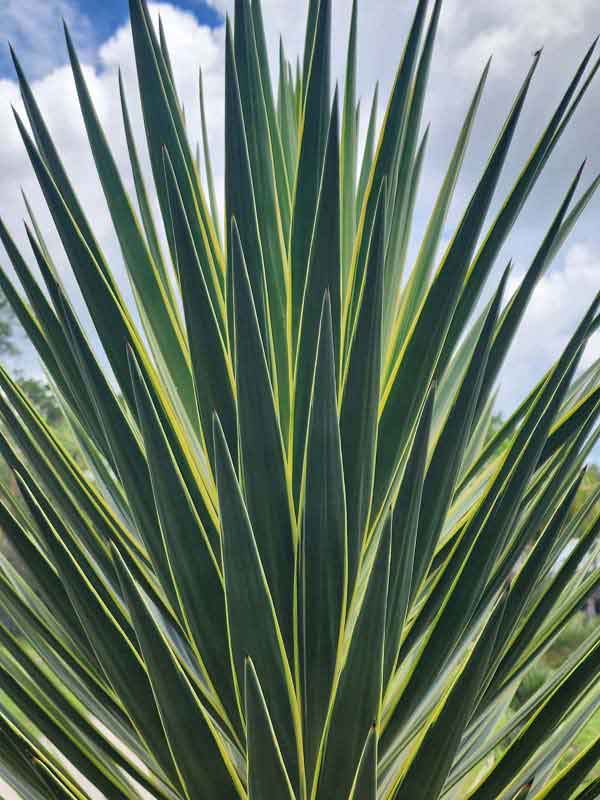
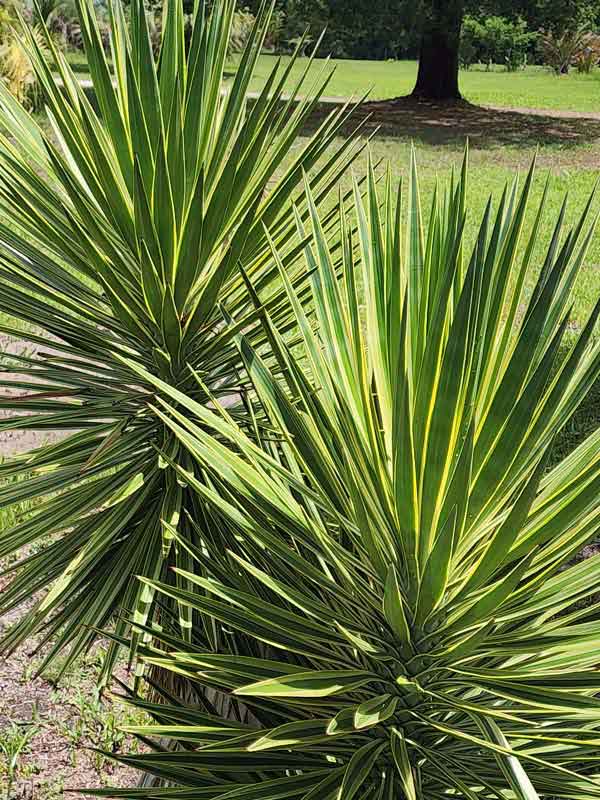
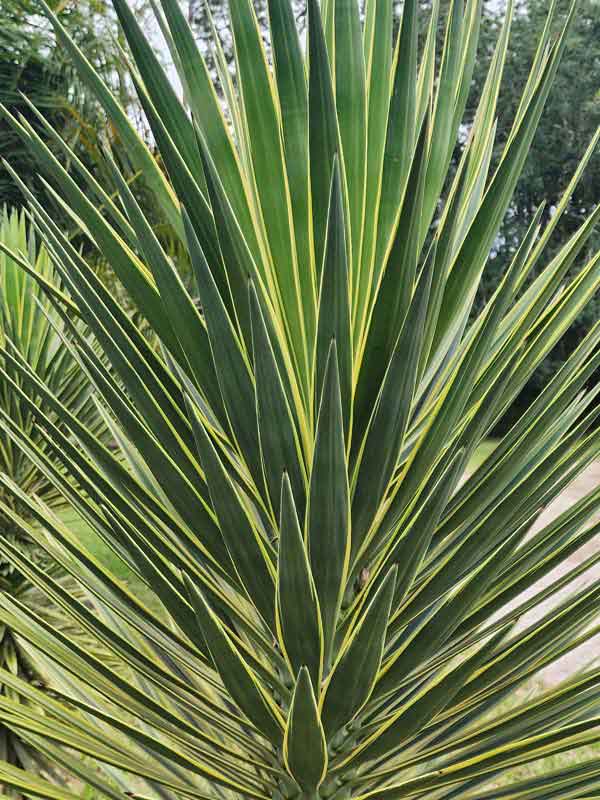
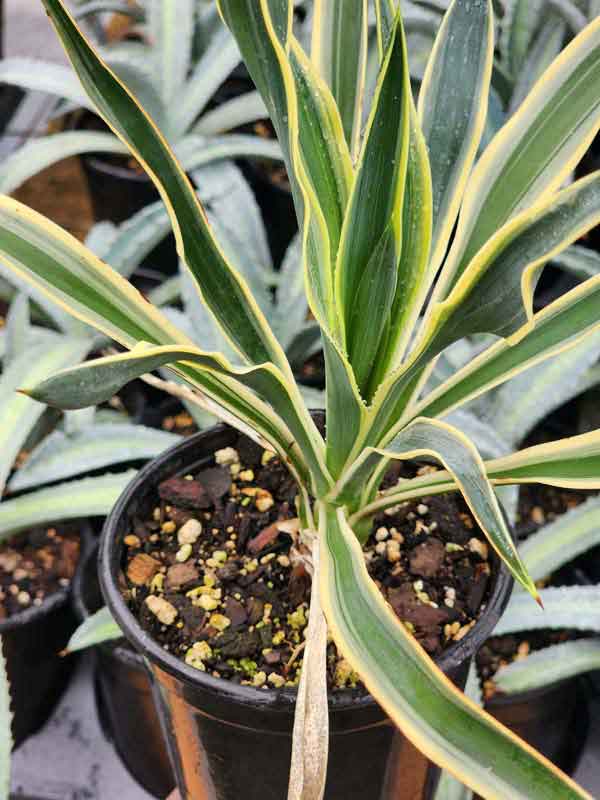
Yucca, Puya & Hesperaloe - are valued for their striking form, exceptional durability, and adaptability to a wide range of growing conditions. They perform well on patios, in sunrooms, conservatories, and other bright indoor or outdoor environments where they can receive ample sunlight. Their bold, sculptural appearance makes them popular choices for contemporary landscapes, container gardens, and drought-tolerant designs.
QUICK SPECS
|
OUTDOOR
Zone 9b-11
|
PATIO
Zone 4a-11
|
|
SOIL TYPE
Rich Moist |
% SUN
70-100% |
|
PROPAGATE
By Division/Seed |
GROWTH
Med-Slow |
Yucca & Hesperaloe Care
Both require bright light and excellent drainage. Yuccas prefer consistent warmth and good airflow. Hesperaloe tolerate dry air and strong sun once acclimated. Remove older, lower leaves as they age to maintain a clean appearance. Indoors, rotate plants periodically to encourage even growth. Protect from prolonged freezing temperatures.
Planting
Outdoor Planting & Landscape Use: Note, Most varieties are hardy to 8b to 11, however soft long leaf varieties are better off in zones 10a and above. Both Yucca, Puya and Hesperaloe excel in outdoor landscapes. They thrive in full sun and well-drained soils, making them ideal for xeriscapes, desert-inspired gardens, coastal landscapes, rock gardens, and low-water commercial plantings. Their strong architectural shapes provide year-round structure and can be used to define entrances, frame pathways, anchor garden beds, or create dramatic focal points in the landscape. When planted in groups, they add texture, and visual appeal while requiring minimal irrigation and maintenance.
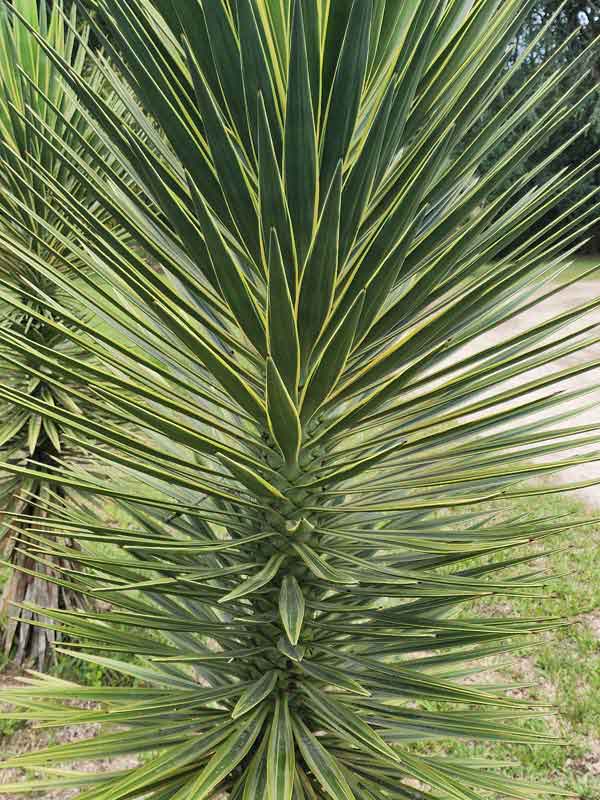
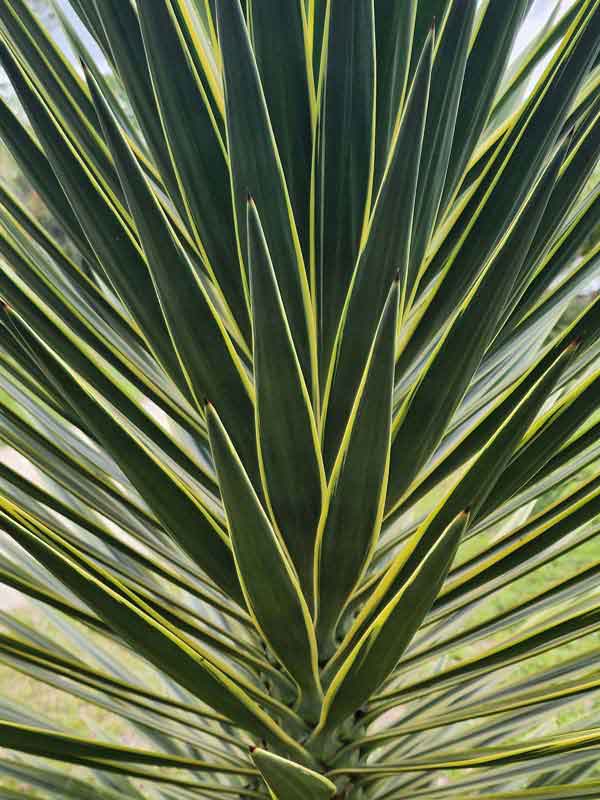
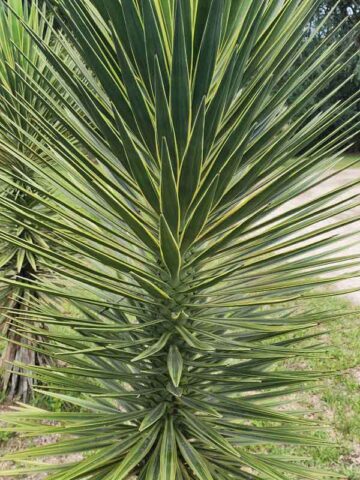
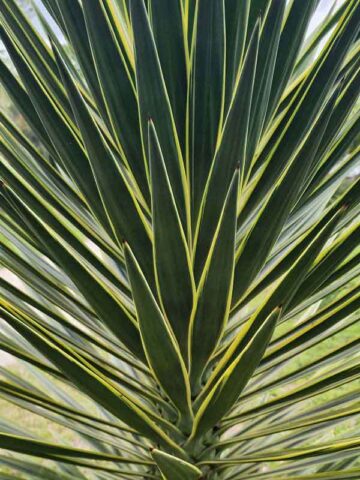
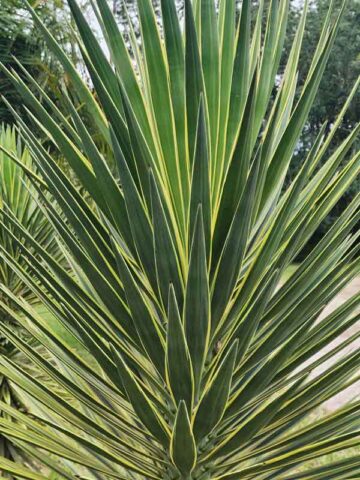
Yucca are long-term structural plants Yucca produces upright rosettes of spiraled, strap-like foliage that create a dramatic, tropical effect. As the plant matures, it gradually develops a sturdy trunk that enhances its structural presence and gives it a tree-like character. Many varieties feature attractive variegated foliage, with cream, yellow, or white striping that adds visual contrast, texture, and brightness throughout the year. Mature specimens can become impressive focal points, providing year-round interest with their evergreen foliage and distinctive silhouette.
Hesperaloe, often known as red yucca, offers a softer yet equally striking form. It develops graceful, arching leaves that emerge from a dense basal rosette, creating movement and texture in the landscape. Over time, established plants form substantial clumps and produce tall flowering stalks adorned with vibrant tubular blooms that attract hummingbirds, butterflies, and other pollinators. While it shares the drought tolerance and structural qualities of Yucca, Hesperaloe provides a more refined, flowing appearance that complements naturalistic planting schemes.
These plants are particularly well suited for challenging outdoor environments. They tolerate intense heat, reflected sunlight from pavement and buildings, drought, wind, and poor or sandy soils once established. Their deep root systems help them remain resilient during extended dry periods, making them an excellent choice for sustainable landscapes and water-conscious gardening. In colder regions, many varieties can withstand periods of frost and recover well from seasonal temperature fluctuations.
Yucca are long-term structural plants Yucca produces upright rosettes of spiraled, strap-like foliage that create a dramatic, tropical effect. As the plant matures, it gradually develops a sturdy trunk that enhances its structural presence and gives it a tree-like character. Many varieties feature attractive variegated foliage, with cream, yellow, or white striping that adds visual contrast, texture, and brightness throughout the year. Mature specimens can become impressive focal points, providing year-round interest with their evergreen foliage and distinctive silhouette.
Hesperaloe, often known as red yucca, offers a softer yet equally striking form. It develops graceful, arching leaves that emerge from a dense basal rosette, creating movement and texture in the landscape. Over time, established plants form substantial clumps and produce tall flowering stalks adorned with vibrant tubular blooms that attract hummingbirds, butterflies, and other pollinators. While it shares the drought tolerance and structural qualities of Yucca, Hesperaloe provides a more refined, flowing appearance that complements naturalistic planting schemes.
These plants are particularly well suited for challenging outdoor environments. They tolerate intense heat, reflected sunlight from pavement and buildings, drought, wind, and poor or sandy soils once established. Their deep root systems help them remain resilient during extended dry periods, making them an excellent choice for sustainable landscapes and water-conscious gardening. In colder regions, many varieties can withstand periods of frost and recover well from seasonal temperature fluctuations.
Care, Fertilizer
Use a fast-draining soil mix Yucca, Puya & Hesperaloe are exceptionally low-maintenance plants that thrive with minimal care once established. Both prefer bright, sunny locations and perform best when planted in well-drained soil. Overwatering is the most common cause of problems, as these plants are naturally adapted to arid environments and are highly drought tolerant.
Watering: Newly planted specimens should be watered regularly during the establishment period to encourage strong root development. Once established, watering can be reduced significantly, with plants requiring only occasional deep irrigation during extended periods of drought. Container-grown plants may need more frequent watering than those planted in the ground, but soil should be allowed to dry between waterings.
Fertilization: These plants are light feeders and generally require little supplemental nutrition. For optimal growth, apply a balanced, slow-release fertilizer once in spring as new growth begins. In nutrient-poor soils, a second light application during the growing season may be beneficial. Excessive fertilization should be avoided, as it can promote weak, overly lush growth and reduce the plants' natural drought tolerance.
Watering: Newly planted specimens should be watered regularly during the establishment period to encourage strong root development. Once established, watering can be reduced significantly, with plants requiring only occasional deep irrigation during extended periods of drought. Container-grown plants may need more frequent watering than those planted in the ground, but soil should be allowed to dry between waterings.
Fertilization: These plants are light feeders and generally require little supplemental nutrition. For optimal growth, apply a balanced, slow-release fertilizer once in spring as new growth begins. In nutrient-poor soils, a second light application during the growing season may be beneficial. Excessive fertilization should be avoided, as it can promote weak, overly lush growth and reduce the plants' natural drought tolerance.
Best Locations
Indoors, these plants require strong natural light. Place near south or west-facing windows where they receive several hours of bright light daily. Sunrooms provide ideal conditions with consistent warmth and high light levels. Yucca can tolerate bright indirect light but develops stronger form and coloration with increased sun exposure. Hesperaloe performs best with direct light indoors if gradually acclimated.
Outdoors, both plants thrive in full sun to partial sun. They performs well on patios, pool decks, and courtyard spaces with warmth and airflow. Yucca, Puya & Hesperaloe highly tolerant of sun, heat, and wind once established. In regions with cold winters, grow in containers so plants can be moved indoors before temperatures drop below freezing. In warm climates, both can be planted in-ground in well-drained soil.
Outdoors, both plants thrive in full sun to partial sun. They performs well on patios, pool decks, and courtyard spaces with warmth and airflow. Yucca, Puya & Hesperaloe highly tolerant of sun, heat, and wind once established. In regions with cold winters, grow in containers so plants can be moved indoors before temperatures drop below freezing. In warm climates, both can be planted in-ground in well-drained soil.
Before You Plant Outdoors
At the nursery these plants are grown under 20-40% shade cloth. If you plant in a brightly lit area you may experience leaf burn. It is best to acclimate this plant to its environment by keeping it outside and slowly moving it into a sunny area over a week or two to avoid stress before planting.
Zone.9b Zone.10a Zone.10b Zone.11a Zone.11b
